Bridge Games That Strengthen Strategic Awareness
22 July 2026 | 216
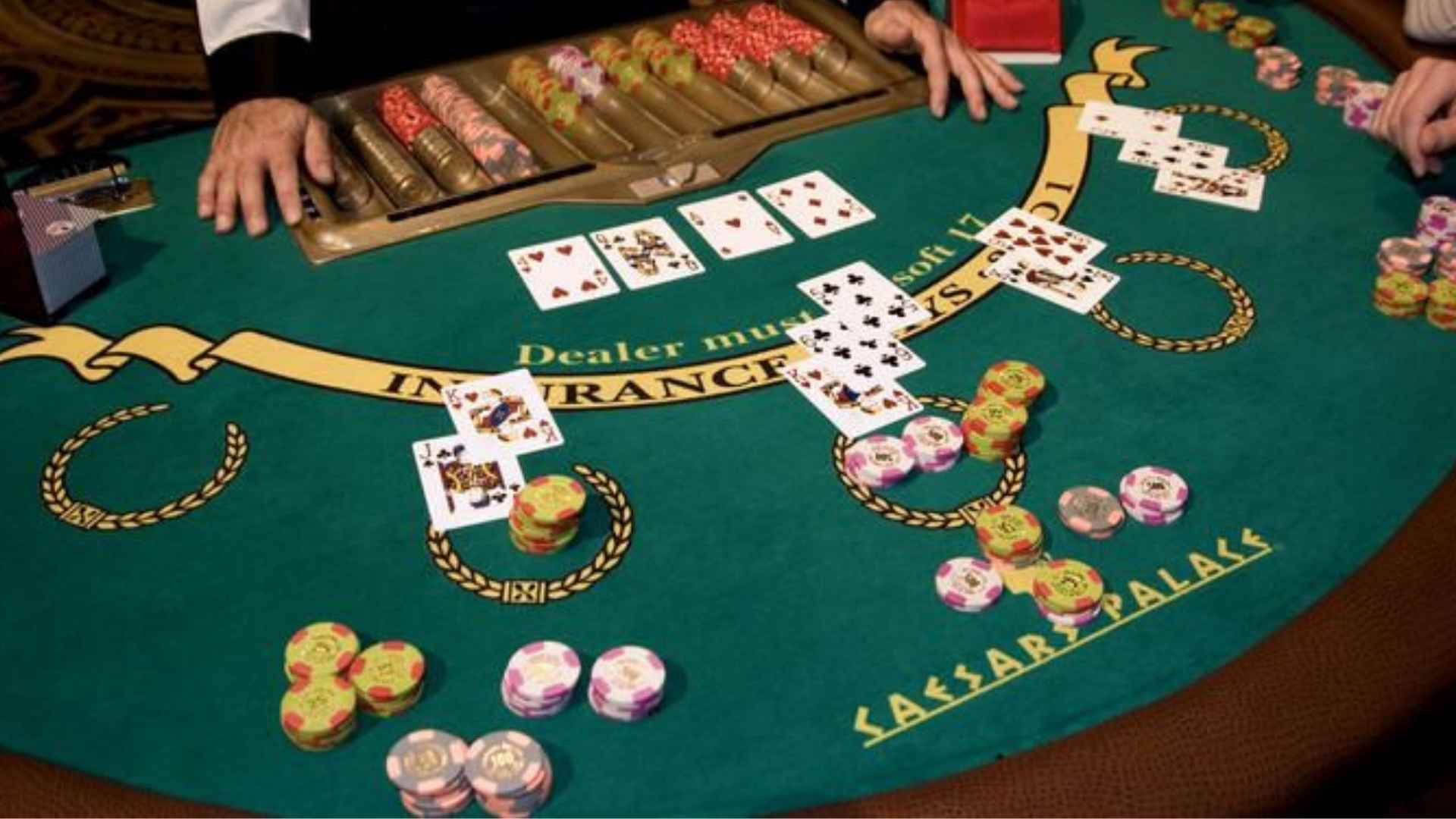
Engaging in complex trick-taking card activities serves as an exceptional method for expanding mental foresight and decision-making capabilities. Contract bridge stands out globally as a premier mind sport that demands continuous analytical tracking and careful coordination between partners. By regularly participating in these intellectually challenging matches, enthusiasts can systematically train their brains to anticipate shifting variables and evaluate high-pressure scenarios with absolute precision.
The Core of Risk Assessment and Planning
Every single deal in contract bridge presents a completely fresh configuration of cards that requires deep probability calculation. Before playing the very first card from their hands, players must establish a precise tactical roadmap based on incomplete table data. This rigorous preparation teaches individuals to weigh potential risks against expected rewards dynamically throughout the match.
Developing a structured plan allows partnerships to navigate competitive environments and capitalize on the minor mistakes made by their opponents. Over time, practicing these calculated maneuvers builds strong mental discipline and enhances long-term foresight. Many dedicated card enthusiasts frequently visit the M88 indonesia platform to explore various strategic layouts that challenge logical deduction and cognitive agility.
Decoding Communication During the Auction Phase
The initial bidding sequence in a bridge match operates as a highly specialized, coded dialogue between two teammates. Partners must exchange accurate details regarding their card distribution and total hand strength without violating strict table rules. This process demands a high level of mutual understanding and sharp interpersonal observation skills from start to finish.
Misinterpreting a single bid can disrupt the entire strategy and lead to costly penalties during the declaration phase. By mastering these intricate bidding conventions, players learn to form cohesive alliances that think and act as a unified entity. This collective approach ultimately highlights why the sport heavily rewards absolute structural alignment over individual luck.
Executing Dynamic Defensive Maneuvers
Achieving consistent victories at tournament tables requires much more than just a brilliant display of offensive card management. Defensive play is equally critical, forcing the defending side to coordinate their opening leads and subsequent card signals with extreme care. Defenders must track every fallen card visually to deduce the remaining layout of the hidden hands.
Employing active defense strategies involves taking calculated risks to neutralize the declarer's long-term intentions early in the game. Using tactical timing and patience allows partnerships to defend tough contracts and protect their positions successfully. These challenging scenarios provide a robust mental workout that exercises both the logical and creative halves of the brain.
Building Lifelong Cognitive Resilience
Participating regularly in complex card games offers profound cognitive advantages that extend well beyond standard weekend entertainment. The continuous need to memorize played cards, calculate odds, and adapt to changing conditions strengthens overall memory retention. This makes the traditional pastime an excellent exercise for maintaining long-term mental acuity and sharp problem-solving capabilities.
Because the game features infinite strategic possibilities, players never stop discovering new tactical methodologies as they progress. Embracing this layered learning curve fosters personal growth, patience, and emotional restraint in high-pressure situations. Ultimately, dedicating time to this sophisticated mind sport enriches daily life by cultivating highly transferable cognitive habits.