The Advantages Of Learning Traditional Mechanics Before Going Online
16 August 2026 | 87
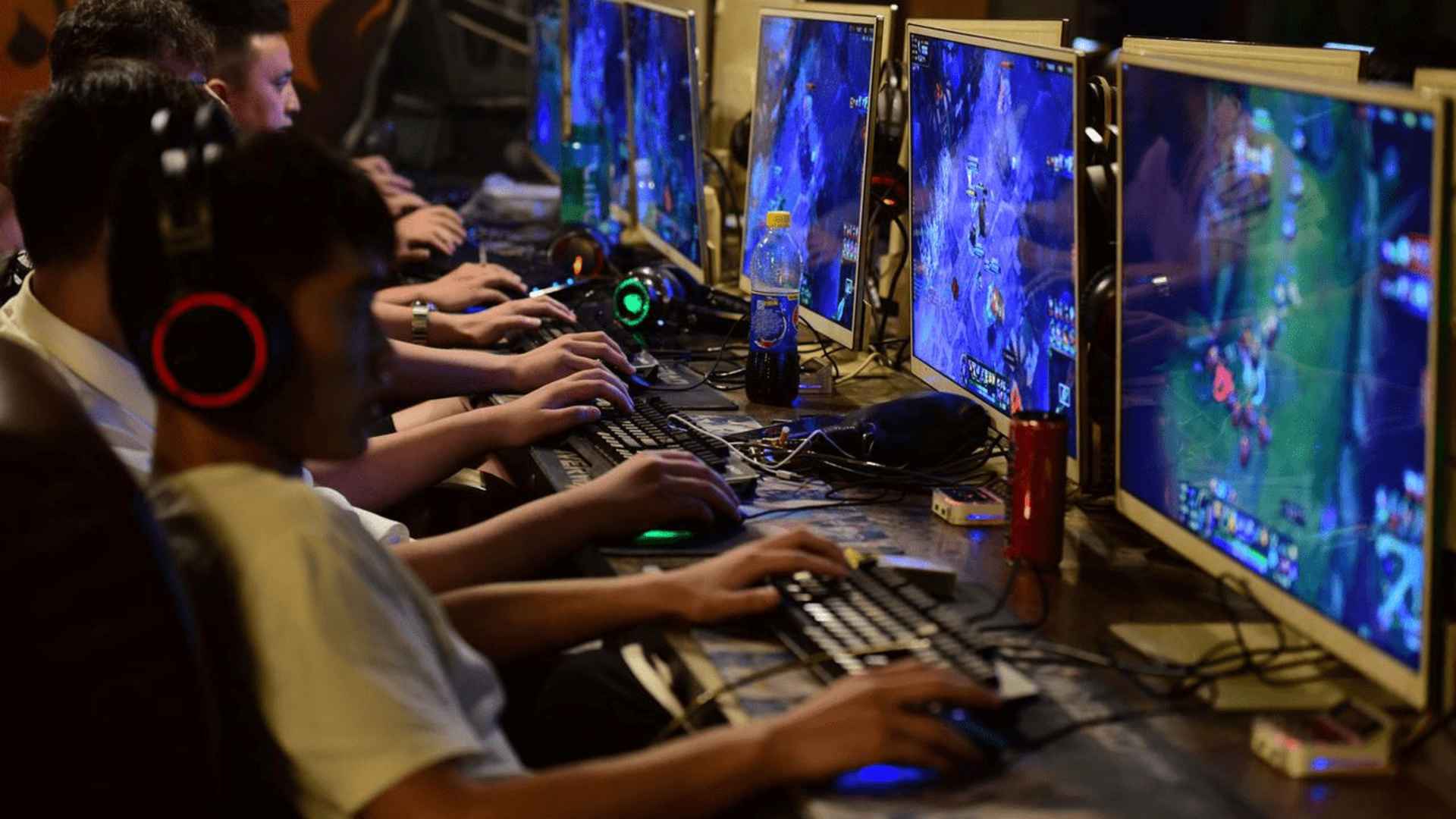
The rapid shift toward digital platforms has transformed how individuals approach complex gaming formats and tabletop strategies. While modern interfaces provide unmatched convenience and automated computations, jumping straight into virtual rooms often skips foundational lessons. Exploring traditional table environments first allows participants to cultivate vital observational skills and structural awareness that are frequently lost in complete automation.
Building Intrinsic Mathematical Focus
Before digital interfaces handled scoreboards automatically, card players relied entirely on mental math to evaluate active values instantly. Practicing these manual calculations under physical table pressure builds sharp analytical instincts and a authentic comfort with probability distributions. This direct cognitive engagement ensures that a player understands the underlying system logic rather than simply reacting to randomized numbers displayed on a screen.
Furthermore, managing your own strategic choices without relying on visual software shortcuts forces a deeper level of focus. Enthusiasts who master these foundational arithmetic steps can transition to modern websites with a significantly clearer sense of real risk. Those looking to test these refined instincts on a global platform can utilize the secure ทางเข้าm88 portal to explore versatile digital options.
The Value of Physical Environmental Awareness
Traditional card rooms place immense strategic weight on physical seating arrangements and live human interaction. Observing how the timing of decisions shifts based on a player placement relative to the dealer provides unique insight into data access. These spatial dynamics create a psychological layer that formulaic online grids and automated algorithms cannot replicate completely.
By understanding how the pacing of a live round changes with human management, beginners learn to value careful observation over speed. This traditional training teaches people to spot subtle environmental patterns and behavioral indicators before committing to an absolute wager. Consequently, the patience developed at physical tables directly enhances tactical discipline when playing in faster virtual environments.
Appreciating Shared Operational Responsibility
Historic European table formats frequently distributed financial exposure and operational duties directly among the active participants. Exploring variants where players take turns managing the capital or tracking the draw highlights the collective accountability built into early gaming culture. This collaborative dynamic transforms a simple contest of chance into an immersive social ritual governed by strict unwritten codes.
When individuals transition online after studying these communal customs, they maintain a profound respect for structural rules. They view modern platforms not just as fast entertainment tools, but as direct digital evolutions of a highly sophisticated history. This deep contextual knowledge bridges the gap between casual software interaction and expert table mastery.